
Creating a comfortable and relaxing home workspace is essential for maintaining productivity and focus throughout the day. Whether you work remotely full-time or occasionally use a home office, the environment you build plays a big role in how well you perform. A well-designed workspace not only supports your tasks but also reduces stress and fatigue. Here are some practical tips to help you create a relaxing home workspace that fosters better productivity.
Choose the Right Location
Finding the right spot for your home workspace is the first step. Ideally, choose a quiet area away from high-traffic zones like the kitchen or living room. This helps minimize distractions and allows you to concentrate better.
– Natural Light: Select a location near a window when possible. Natural light improves mood and reduces eye strain.
– Noise Control: Consider noise levels and, if needed, add noise-canceling headphones or sound-absorbing materials.
– Space: Make sure there is enough room for your desk, chair, and any additional tools or storage you need.
Invest in Comfortable Furniture
Comfortable furniture is crucial since you’ll spend hours in your workspace. Choose items that support good posture and reduce physical discomfort.
– Ergonomic Chair: Pick a chair with adjustable height, lumbar support, and comfortable cushioning.
– Appropriate Desk: Ensure your desk is the right height for your work habits and allows you to keep your arms at a comfortable angle.
– Footrest and Accessories: If your feet don’t rest flat on the floor, consider a footrest. Additional accessories like keyboard trays or monitor stands can improve ergonomics.
Keep the Space Organized and Clutter-Free
A cluttered workspace can increase stress and reduce your ability to focus. Incorporate organization systems to keep your area tidy and efficient.
– Storage Solutions: Use shelves, drawers, or filing cabinets to store documents and supplies.
– Desk Organization: Keep only essential items on your desk to minimize distractions.
– Cable Management: Use clips or sleeves to organize cables and keep them out of sight.
Personalize Your Environment
Adding elements that make you feel comfortable and happy can boost motivation and creativity.
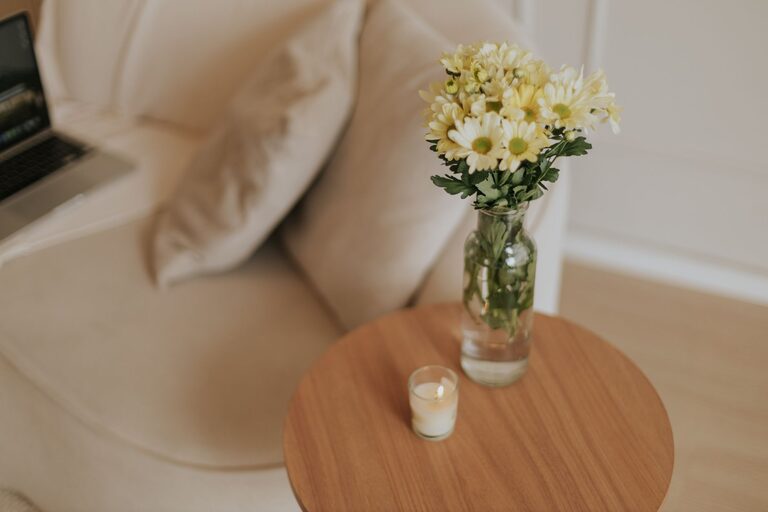
– Plants: Indoor plants improve air quality and add a calming natural touch.
– Artwork and Decor: Choose a few pieces that inspire or soothe you without overwhelming the workspace.
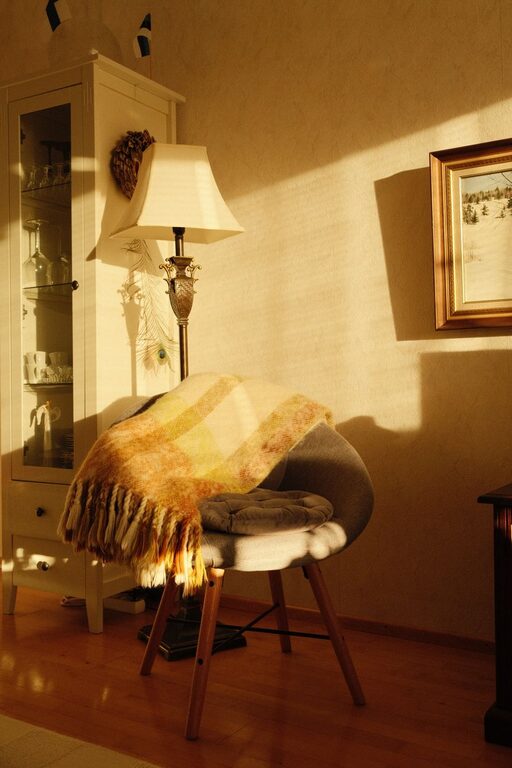
– Lighting: Use adjustable lamps with warm lighting to create a cozy atmosphere, especially in the evening.
Incorporate Break and Movement Areas
Working without breaks can lead to burnout and fatigue. Incorporate spaces or routines that encourage regular movement.
– Stretching Space: Leave a small area open for stretching or short exercises.
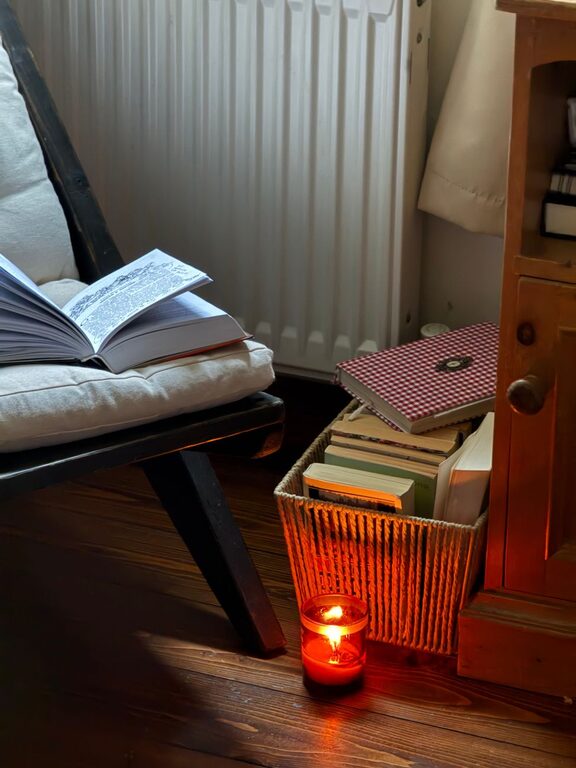
– Relaxation Zone: If space allows, have a comfortable chair or cushion nearby for quick mental breaks.
– Timers and Reminders: Use smartphone apps or timers to remind you to take breaks and adjust posture.
Manage Technology Effectively
Technology is essential but can be distracting if not managed properly. Organize your tech tools to support productivity.
– Quality Equipment: Use reliable computers, keyboards, and monitors that fit your needs.
– Tech-Free Zones: Consider keeping mobile phones or other distractions away during focus time.
– Software Organization: Streamline your digital workspace with clear folders, task managers, and productivity apps.
Maintain Good Air Quality and Temperature
A comfortable temperature and fresh air make long working sessions more pleasant and reduce fatigue.
– Ventilation: Open windows regularly or use air purifiers to maintain fresh air flow.
– Climate Control: Adjust heating or cooling devices to maintain a comfortable temperature between 68–72°F (20–22°C).
– Humidity: Use humidifiers if the air is too dry, especially in winter.
Establish a Routine and Boundaries
Designing a relaxing workspace is only part of the equation. Establishing clear routines and boundaries helps keep the workspace productive and relaxing.
– Set Work Hours: Define consistent start and end times to create structure.
– Dress for Success: Dressing comfortably yet professionally can psychologically prepare you for work.
– Separate Work and Leisure: Avoid using your workspace for non-work activities to maintain clear boundaries.
Final Thoughts
Creating a relaxing home workspace is a mix of functionality and personal comfort. By paying attention to location, furniture, organization, and ambiance, you can build an environment that supports your productivity while keeping stress levels low. Remember to adjust your space as your needs evolve and be mindful of taking regular breaks. A thoughtfully designed workspace makes it easier to stay focused, motivated, and healthy while working from home.
About the Author