Creating a relaxing home workspace is essential for maintaining focus, comfort, and productivity, especially as many people work from home. A thoughtfully designed workspace can help reduce stress, increase motivation, and improve your overall work performance. Whether you have a dedicated room or just a corner in your living space, these tips will guide you in creating an environment that supports both relaxation and productivity.
Choose the Right Location
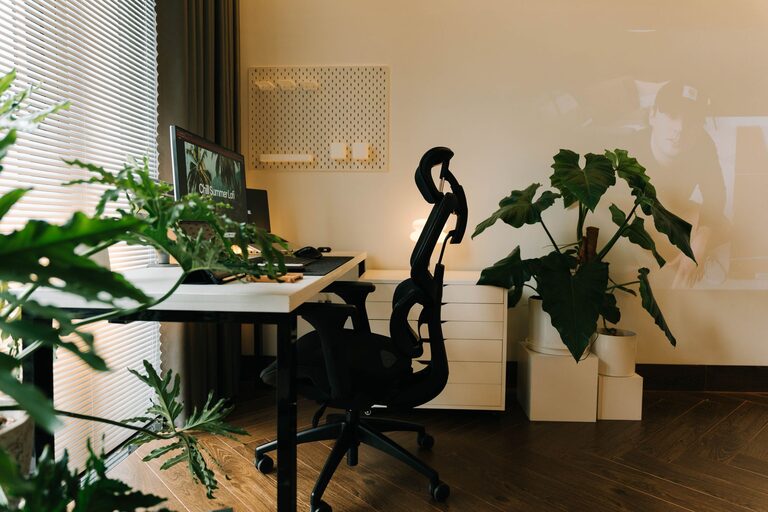
Finding the right spot in your home is the first step toward a productive workspace. Consider a quiet area away from heavy foot traffic and distractions like the television or the kitchen. Natural light is a big plus, so place your desk near a window if possible. Sunlight helps regulate your mood and keeps you energized throughout the day.
If space is limited, don’t hesitate to create a cozy nook with a small desk and your essentials. Even a corner in your bedroom or living room can become an effective workspace with the right setup.
Invest in Comfortable Furniture
Comfort is key to productivity. Choose a chair that supports good posture and offers adjustable features if possible. Sitting in an uncomfortable chair for hours can lead to back pain and decreased focus.
Your desk should be at a height that lets you type and write comfortably without straining your wrists or shoulders. Standing desks or adjustable desks are also worth considering if you want to vary your posture throughout the day.
Keep It Organized and Clutter-Free
A cluttered workspace can increase stress and reduce productivity. Use organizers like shelves, drawers, or bins to keep your supplies in order. Regularly declutter your desk to maintain a clean and inviting environment.
Having designated spots for important items such as notebooks, pens, and chargers will also help you stay organized and avoid wasting time searching for things.
Add Calming Colors and Decor
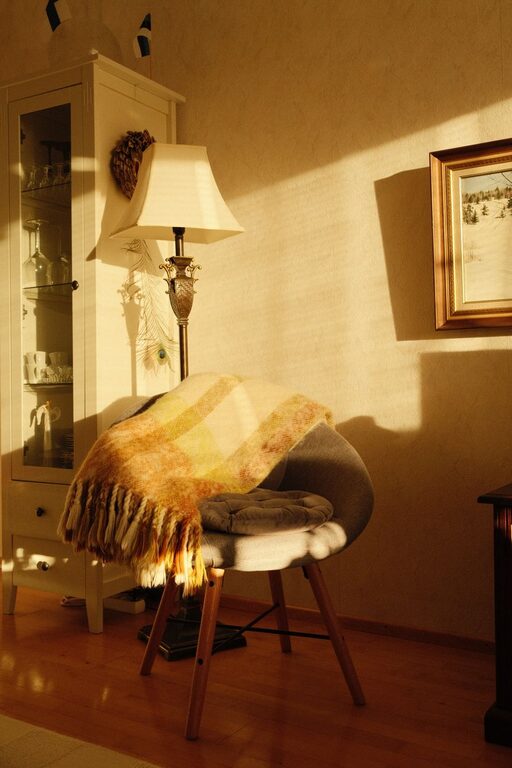
The colors and decorations in your workspace affect your mood. Soft, neutral colors such as light blues, greens, or earth tones create a calming atmosphere. You can use paint, wallpaper, or accessories like lampshades and rugs to incorporate these hues.
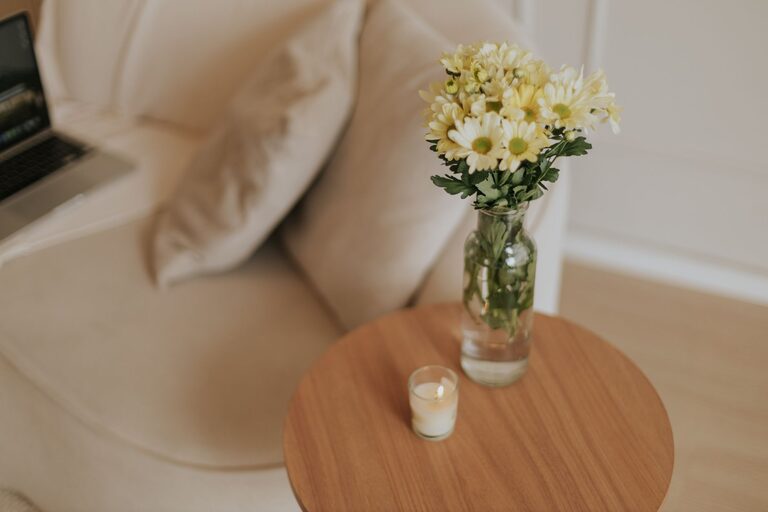
Adding plants to your workspace not only improves air quality but also adds a touch of nature that can reduce stress and increase creativity. Simple art pieces, motivational quotes, or personal photos can make the space feel more inviting without creating distraction.
Prioritize Good Lighting
Proper lighting reduces eye strain and helps keep you alert. If natural light is limited, invest in a quality desk lamp with adjustable brightness and color temperature. Warm light is relaxing, while cooler light can boost concentration.
Avoid harsh overhead lights or glare on your computer screen. Position lighting sources so that they do not create shadows or reflections during your work.
Minimize Noise and Distractions
Noise can be a major distraction in a home workspace. Using noise-canceling headphones or playing soft background music like nature sounds can help create a peaceful environment.
If external noise is unavoidable, consider soundproofing options such as heavy curtains, door seals, or rugs that absorb sound.
Incorporate Break-Friendly Elements
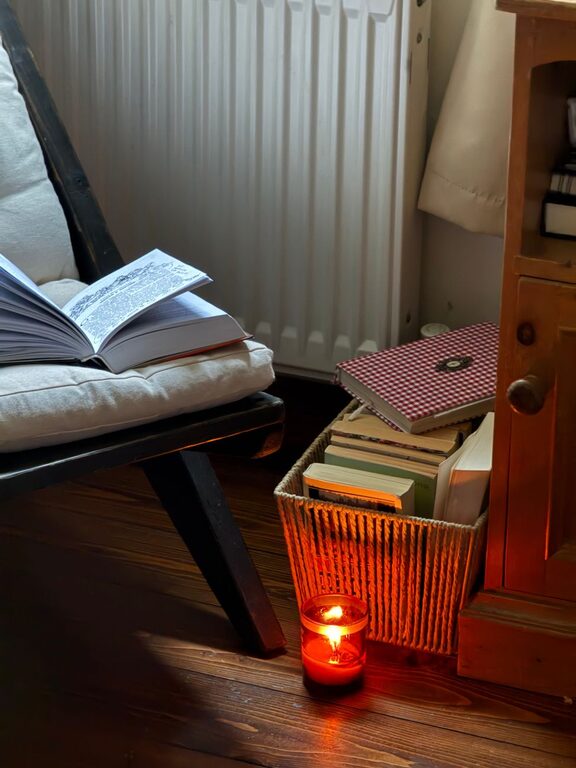
Taking regular breaks is important for maintaining productivity and well-being. Design your workspace with this in mind by including a comfortable chair or small area where you can stretch or relax during breaks.
Keep a water bottle and healthy snacks nearby to stay hydrated and energized. Having a timer or reminder app can help you take timely breaks without losing track of your tasks.
Use Technology Wisely
Choose technology and tools that support your workflow without causing frustration. Invest in a reliable computer, fast internet connection, and any accessories you need such as a keyboard, mouse, or printer.
Organize your digital workspace by keeping files in order and using productivity apps to manage your schedule and tasks.
Personalize Your Space Mindfully
While personalization is important to feel comfortable, avoid overdecorating in ways that could cause distraction. Select a few items that inspire you or make you happy.
Your workspace should reflect your personality and preferences while maintaining a sense of order and calm.
—
By following these tips, you can create a home workspace that balances productivity with relaxation. The right environment will help you work efficiently, reduce stress, and enjoy your work-from-home routine more fully. Remember that creating your ideal workspace is a process—experiment and adjust as you discover what works best for you.
About the Author